Implantation Bleeding vs Period: 7 Key Differences & Test Timing
One of the most confusing moments when trying to conceive is seeing light spotting right around the time your period is due. Is it the start of your cycle — or could it be implantation bleeding, the first early sign of pregnancy?
About 25% of women experience some spotting in early pregnancy<sup>1</sup>, and telling the difference between implantation bleeding and an oncoming period isn’t always easy. They can happen at nearly the same time — but the cause, appearance, and what happens next are very different.
This guide will walk you through exactly how to tell them apart, what each one looks like, and when to use your Pregnancy Test Calculator to know for sure.
What Is Implantation Bleeding?
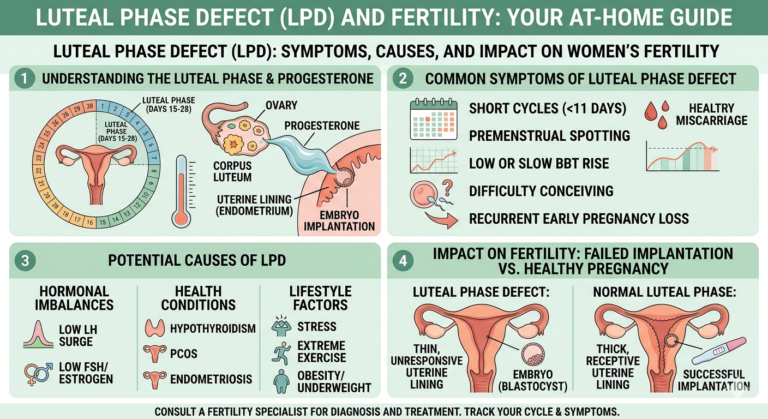
Implantation bleeding happens when a fertilized egg attaches itself to the lining of your uterus — the endometrium. This process typically occurs 6 to 12 days after ovulation<sup>2</sup> — right around the time you might expect your period.
When the embryo burrows into the nutrient-rich lining, tiny blood vessels can break, causing light spotting. It’s one of the earliest physical signs of pregnancy, but not everyone experiences it — only about 1 in 4 pregnant women notice it<sup>1</sup>.
Timing
- 6–12 days after ovulation — peak around 8–10 DPO
- Usually 1–3 days before your expected period
Color
- Light pink, rusty brown, or pale tan
- Rarely bright red — fresh red blood is more typical of a period
Flow & Duration
- Spotting only — usually just when wiping
- Never enough to fill a pad or tampon
- Lasts a few hours up to 1–3 days<sup>3</sup>
Associated Symptoms
- Mild cramping — pulling, tingling, or pricking sensation
- No clots, no tissue
- Possibly: breast tenderness, fatigue, mild nausea
💡 Calculate your exact window: Use our Implantation Calculator to see when implantation could have happened — and the earliest day you can take a pregnancy test.
What Is a Period?
Your period is the shedding of your uterine lining because pregnancy did not occur. Hormone levels drop, and the lining breaks down and leaves your body as blood and tissue.
Timing
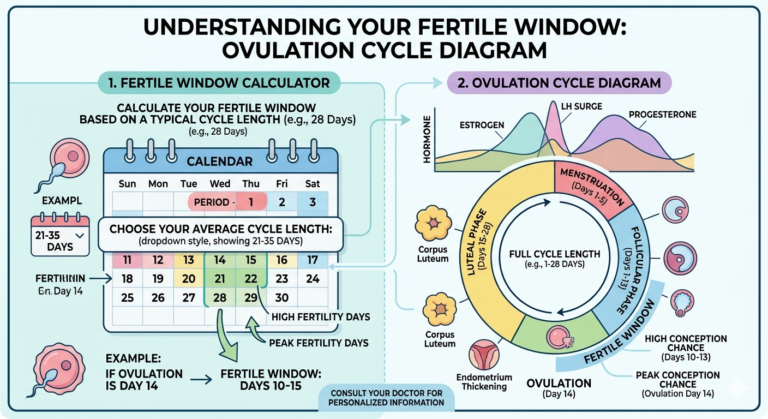
- Starts ~14 days after ovulation (in a typical 28-day cycle)
- On or after your expected date
Color
- Starts bright red or deep red
- May darken toward the end
- Consistent, rich red is the hallmark
Flow & Duration
- Light → moderate → heavy → tapers off
- Enough to fill a pad or tampon
- Lasts 3 to 7 days<sup>4</sup>
- May include small clots — especially on heavier days
Associated Symptoms
- Stronger, consistent cramping radiating to back/thighs
- Bloating, mood changes, breast tenderness (PMS)
- Flow increases noticeably after 24–48 hours
Side-by-Side Comparison
Table
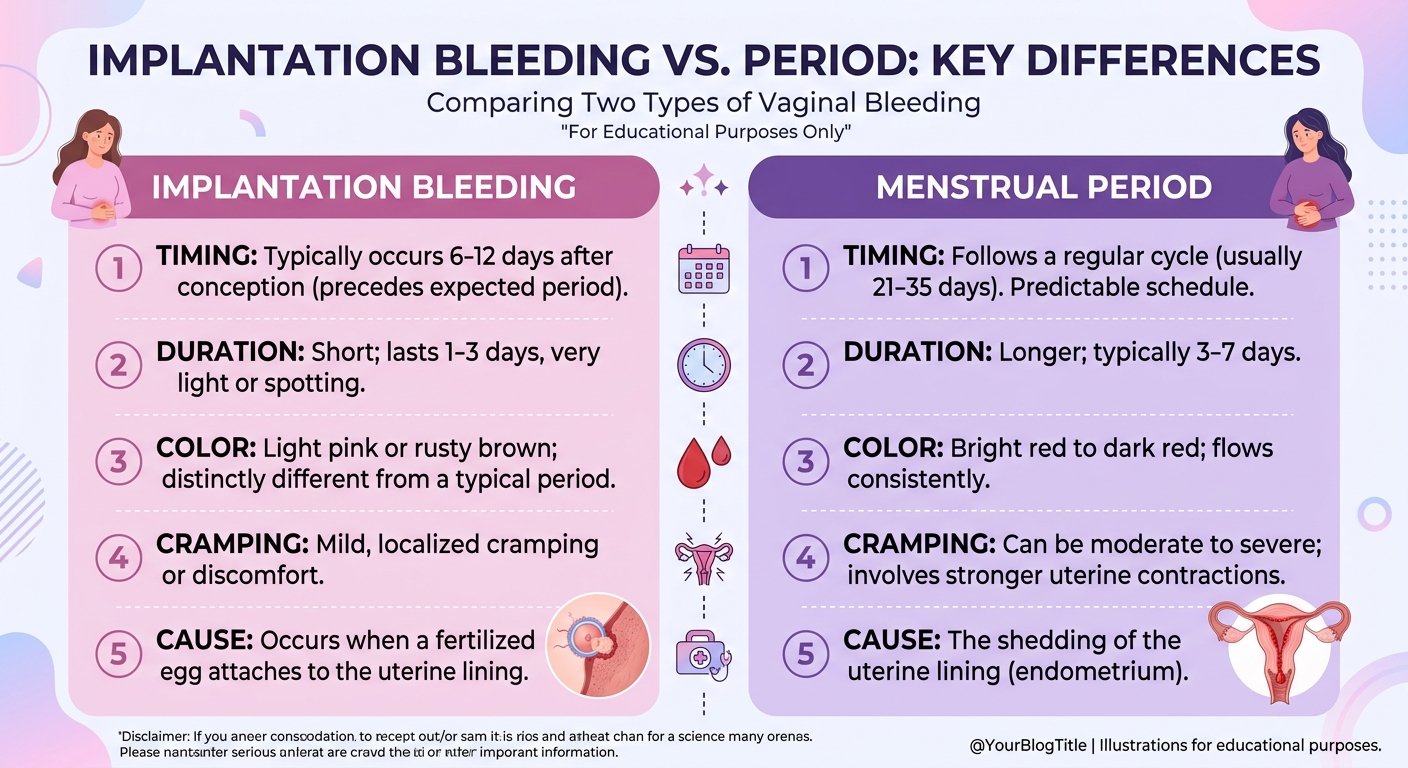
| Feature | Implantation Bleeding | Menstrual Period |
|---|---|---|
| Timing | 6–12 DPO; 1–3 days before expected period | ~14 DPO; on or after expected date |
| Color | Light pink, brown, rust — rarely bright red | Bright red → deep red → brown |
| Flow | Spotting only — never fills a pad | Light → moderate → heavy → light |
| Duration | Hours to 1–3 days | 3–7 days |
| Cramps | Mild, intermittent, pulling sensation | Moderate to strong, steady |
| Clots | None | Common on heavier days |
| Day 2 | Still light or gone | Noticeably heavier |
7 Key Differences
1. Timing
Implantation: Arrives early — before your period is due.
Period: Starts on or after your expected date.
→ Confirm your window with our Ovulation Calculator.
2. Color
Implantation: Faded — pale pink or dusty brown. Brown = older blood.
Period: Fresh and rich — bright crimson from day one.
3. Flow Pattern
Implantation: Stays light. Spots when wiping, then nothing for hours. Never builds.
Period: Within 24 hours, noticeably heavier and continuous.
4. Duration
Implantation: Usually under 48 hours, sometimes just a few hours.
Period: Consistent bleeding for 3+ days before tapering.
5. Cramping Character
Implantation: Brief, faint twinges — “a pull or flutter.”
Period: Steady, stronger cramps that may intensify — your uterus actively contracting.
6. Clots & Tissue
Implantation: Zero clots, zero tissue.
Period: Small clots are normal and common.
7. The “Second Day” Test
Wait 24 hours:
- Still spotting lightly → likely implantation
- Heavier, redder flow → likely your period
When to Take a Pregnancy Test
Testing too early gives false negatives. Here’s the accuracy timeline<sup>5</sup>:
- 8–10 DPO: ~18–35% accurate — too early
- 12–14 DPO: 80–90% accurate — reliable
- Day of missed period: 99%+ accurate — best time
📅 Don’t guess — calculate: Our Pregnancy Test Calculator shows your exact best test date, accuracy percentage by day, and early vs standard test differences.
If you test now and get a negative, retest in 48 hours — hCG roughly doubles every 48 hours in early pregnancy<sup>6</sup>. A negative today could be positive by the weekend.
If Positive → Track Your Progress
Confirm your numbers are on track with our hCG Levels Calculator.
When to See a Doctor
Contact your provider if you experience<sup>7</sup>:
- Heavy bleeding filling a pad in an hour or less
- Severe abdominal or shoulder pain
- Fever, chills, unusual discharge
- Dizziness or fainting
- Bleeding lasting more than 3 days and getting heavier
These can signal ectopic pregnancy, miscarriage, or infection needing medical attention.
Frequently Asked Questions
Can implantation bleeding be bright red?
Rarely, especially if close to your period date. But bright red + increasing flow strongly suggests your period<sup>3</sup>.
How many days after implantation can I test?
hCG becomes detectable 2–4 days after implantation occurs. So if implantation was at 9 DPO, reliable tests start at 11–13 DPO<sup>5</sup>.
Can I have implantation bleeding and still get my period?
No — true implantation means pregnancy has begun. Light bleeding can coincide with your expected period date, but a full menstrual cycle does not happen<sup>2</sup>.
Does no spotting mean not pregnant?
No — 75% of healthy pregnancies have no bleeding at all<sup>1</sup>.
Summary
Table
| If you see… | It’s likely… | Next Step |
|---|---|---|
| Light pink/brown spotting, stops in 1–2 days | Implantation | Wait 2–3 days → test |
| Bright red, heavier by day 2, lasts 3+ days | Period | Track next cycle with Period Tracker |
| Bleeding + severe pain/fever/dizziness | See a doctor immediately | Call your provider |
References 1 American College of Obstetricians and Gynecologists — Early Pregnancy Bleeding 2 Mayo Clinic — Implantation Bleeding Guide 3 American Pregnancy Association — Implantation vs Period 4 World Health Organization — Menstrual Cycle Guidelines 5 PubMed — Diagnostic Accuracy of Home Pregnancy Tests 6 NHS — hCG Levels in Early Pregnancy 7 ACOG — Ectopic Pregnancy Warning Signs