DPO Symptoms: What’s Normal & When You Can Actually Test
If you’re trying to conceive, the two-week wait can feel like an eternity — and by 7 days past ovulation (7 DPO), you’re probably watching every twinge, wondering if it’s an early sign of pregnancy.
Short answer: At 7 DPO, implantation may just be happening, and true pregnancy symptoms are still rare. Most symptoms you feel now are caused by progesterone — the same hormone that causes PMS — so you can’t reliably tell pregnancy from your period yet. Testing at 7 DPO is almost always too early (accuracy below 35%). Your most reliable test day is 12–14 DPO, or the day your period is due.
This guide walks you through exactly what’s happening in your body at 7 DPO, which symptoms are normal, what’s a red flag, and when to use our Pregnancy Test Calculator to pick your best test date.
What’s Happening at 7 DPO?
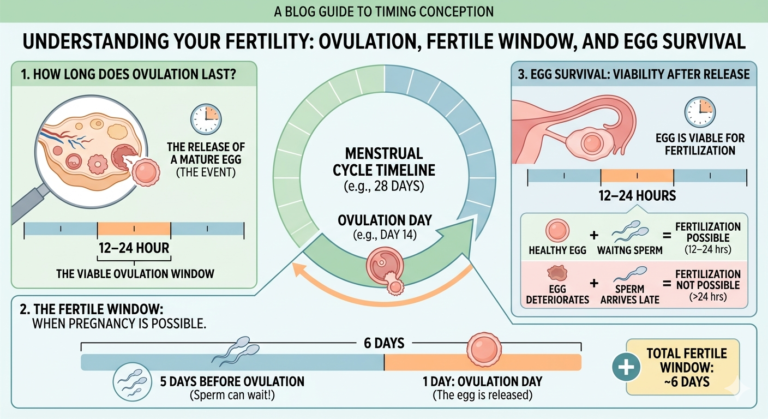
After ovulation, the fertilized egg travels down the fallopian tube, dividing as it goes. By around 6–12 DPO, it reaches the uterus and implants into the lining — this is implantation. Seven DPO falls right in the middle of the implantation window (peak implantation is 8–10 DPO).
If implantation occurs around now, the embryo begins producing hCG (human chorionic gonadotropin) — the pregnancy hormone. But at 7 DPO, hCG levels are typically still too low to detect on a home urine test.
💡 Pinpoint your window: Use our Implantation Calculator to see your most likely implantation dates and earliest test day based on your ovulation date.
Common Symptoms at 7 DPO
Remember — every one of these can also be a PMS symptom caused by progesterone. None of them confirms pregnancy on its own.
1. Mild Cramping or Twinges
Often described as a pulling, tingling, or pricking sensation low in the abdomen. If implantation is happening, the embryo burrowing into the uterine lining can cause light cramping. It’s usually milder and shorter than period cramps.
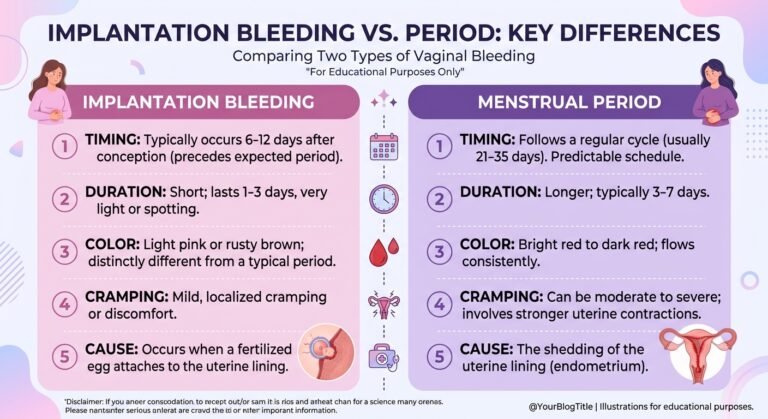
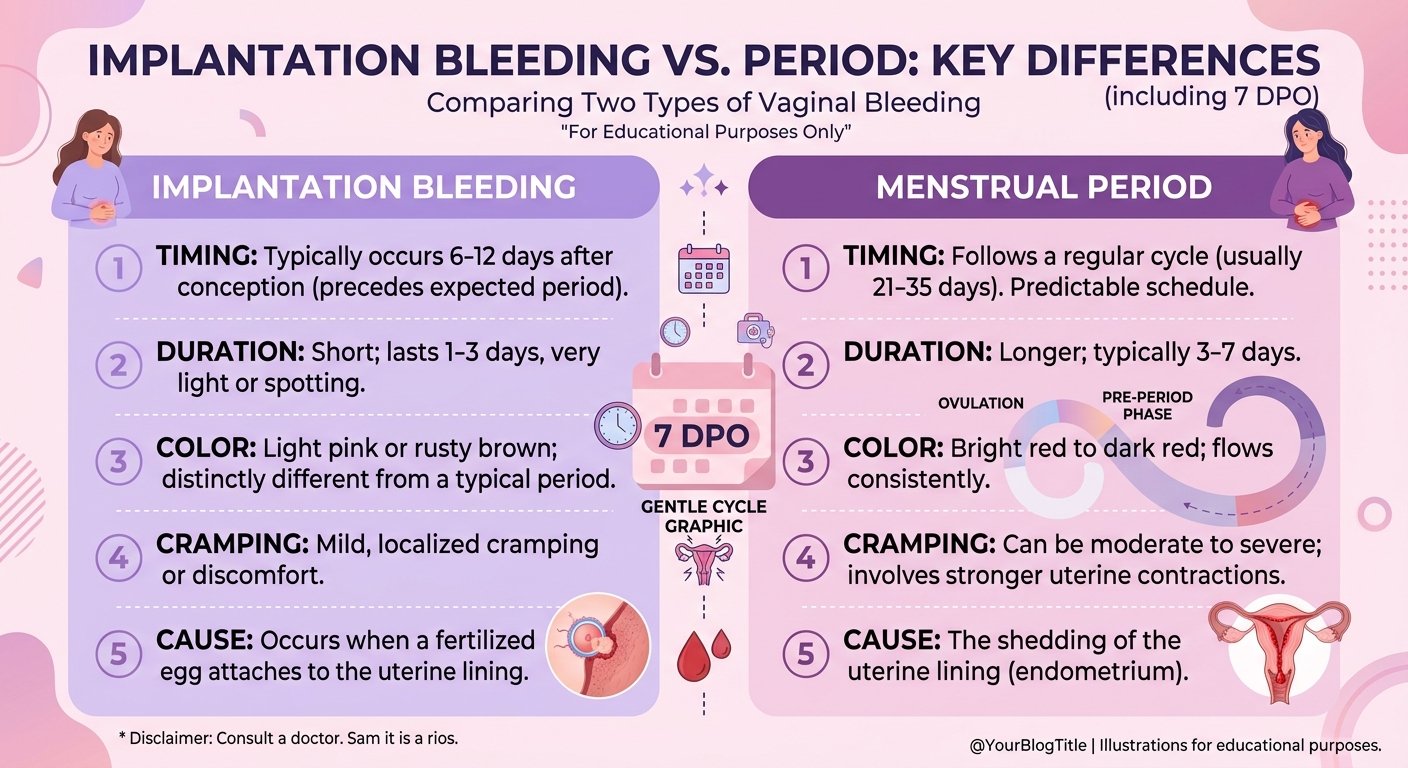
2. Light Spotting (Implantation Bleeding)
Some women notice a few spots of light pink or brown blood around 6–12 DPO. It’s much lighter than a period — just a streak when wiping, never enough to fill a pad. Not everyone gets it — about 1 in 4 pregnant women notice implantation bleeding.
3. Breast Tenderness
Hormone shifts can make breasts feel tender, swollen, or tingly. This is a classic both PMS and early pregnancy symptom — sadly, it doesn’t help you tell them apart.
4. Fatigue
Rising progesterone can make you feel unusually tired. Again, same hormone drives both luteal-phase fatigue and early-pregnancy exhaustion.
5. Bloating & Gas
Progesterone relaxes smooth muscle, including your digestive tract — leading to bloating, gas, and that “full” feeling. Very common at 7 DPO whether pregnant or not.
6. Mood Swings
Hormone fluctuations + the stress of the two-week wait = emotional ups and downs. Normal either way.
7. Increased Urination
Once hCG and increased blood flow kick in, you may pee more often. But at 7 DPO this is uncommon — it usually starts a bit later.
8. Nausea (Morning Sickness)
Rare at 7 DPO. True pregnancy nausea typically begins around 5–6 weeks of pregnancy (3–4 weeks after conception). If you’re nauseous at 7 DPO, it’s more likely stress, diet, or something else.
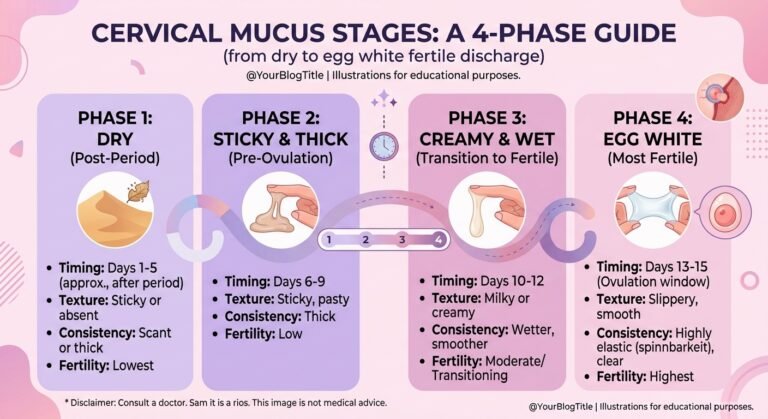
9. Cervical Mucus Changes
After ovulation, mucus usually dries up. Some women notice it becomes creamy or lotiony again in early pregnancy — but this varies widely and isn’t reliable.
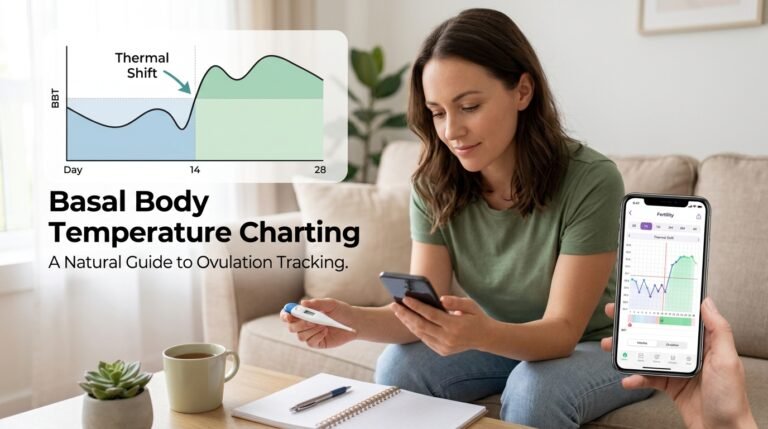
10. Elevated Basal Body Temperature
If you chart BBT, a sustained temperature above your cover line past 7 DPO is a good sign — but it stays elevated in any luteal phase until your period arrives. A triphasic pattern (a third temperature rise) can hint at pregnancy, but isn’t diagnostic.
What’s Normal vs. What’s a Red Flag
Table
| Symptom | Normal at 7 DPO? | When to Worry |
|---|---|---|
| Mild, brief cramping | ✅ Yes | Severe, one-sided, or worsening pain |
| Light pink/brown spotting | ✅ Possible | Bright red, heavy flow, or clots |
| Breast tenderness, fatigue, bloating | ✅ Yes — progesterone | — |
| Nausea | ⚠️ Rare this early | Persistent vomiting / can’t keep fluids down |
| Fever, chills, dizziness | ❌ Not normal | Contact your doctor |
| Shoulder pain + bleeding | ❌ Not normal | Seek urgent care (possible ectopic) |
Can You Take a Pregnancy Test at 7 DPO?
Technically yes — but you’ll almost certainly get a false negative. Here’s why:
- Implantation often hasn’t happened yet at 7 DPO (window is 6–12 DPO)
- hCG only starts being produced after implantation
- Home tests need roughly 10–25 mIU/mL of hCG to turn positive
- At 7 DPO, most women are still at <5 mIU/mL — undetectable
Pregnancy Test Accuracy by DPO
Table
| DPO | Approximate Accuracy | Verdict |
|---|---|---|
| 7 DPO | ~10–20% | Too early — expect a negative |
| 8–10 DPO | ~20–40% | Early, high false-negative rate |
| 11–12 DPO | ~70–85% | Getting reliable |
| 13–14 DPO | ~90%+ | Good accuracy |
| Day of missed period | 99%+ | Best time to test |
📅 Calculate your exact best test day: Our Pregnancy Test Calculator shows accuracy percentage by day, the difference between early and standard tests, and your earliest reliable date.
If You Test Early and Get a Negative…
It doesn’t mean you’re not pregnant. Wait 48 hours — hCG roughly doubles every 48 hours in early pregnancy — and test again. Testing daily before 10 DPO usually just causes heartbreak.
What to Do Between Now and Test Day
- Keep taking your prenatal vitamin (folic acid is critical in these very early weeks).
- Avoid alcohol, smoking, and high-mercury fish — treat your body as if pregnant.
- Don’t over-analyze every symptom — progesterone mimics pregnancy perfectly.
- Stay hydrated, rest, and reduce stress.
- Mark your test date on the calendar and try to distract yourself until then.
- If you get a positive, start tracking with our hCG Levels Calculator to see if your numbers are on track.
Frequently Asked Questions
Is 7 DPO too early to feel pregnancy symptoms?
Most true pregnancy symptoms start after implantation and rising hCG — typically around 10–14 DPO or later. What you feel at 7 DPO is mostly progesterone.
Can I have implantation at 7 DPO?
Yes — implantation occurs 6–12 DPO, so 7 DPO is within the normal window, though peak implantation is 8–10 DPO.
What does 7 DPO cramping feel like?
Mild, intermittent pulling or tingling low in the pelvis, often one-sided. Strong, steady, or worsening cramps are not typical — see a doctor.
How accurate is a test at 7 DPO?
Only about 10–20% of pregnant women will get a positive at 7 DPO. Most results are false negatives.
When is the best DPO to test?
12–14 DPO, or the day your period is due — accuracy exceeds 90–99%.
Does no symptoms at 7 DPO mean I’m not pregnant?
No — many healthy pregnancies have zero symptoms in the first two weeks. Symptoms (or lack thereof) tell you nothing reliable.
When to See a Doctor
Contact your healthcare provider if you experience:
- Heavy bleeding filling a pad in an hour or less
- Severe or one-sided abdominal pain, especially with shoulder pain
- Fever, chills, dizziness, or fainting
- Persistent vomiting with inability to keep fluids down
These can signal ectopic pregnancy, infection, or miscarriage and need prompt evaluation.
Conclusion
At 7 DPO, you’re right in the implantation window — but it’s still too early to trust symptoms or a pregnancy test. Most of what you feel is progesterone, identical to PMS. Your best move: wait until 12–14 DPO (or your missed period), use our Pregnancy Test Calculator to pick the optimal day, and test with first-morning urine.
Your next steps:
- ✅ Find your best test date → Pregnancy Test Calculator
- ✅ Check your implantation window → Implantation Calculator
- ✅ If positive → track hCG → hCG Levels Calculator
- ✅ Track your cycle for next month → Ovulation Calculator
This article is for educational purposes only and is not a substitute for professional medical advice, diagnosis, or treatment. Always seek the advice of your physician or qualified health provider with any questions regarding a medical condition.
By the FeminaTrack Editorial Team — reviewed against ACOG, WHO, NHS, and Mayo Clinic guidelines.
References
- American College of Obstetricians and Gynecologists (ACOG) — Early Pregnancy Signs & Symptoms
- Mayo Clinic — When to Take a Home Pregnancy Test
- National Health Service (NHS) — Signs and Symptoms of Pregnancy
- World Health Organization (WHO) — Preconception Care Guidelines
- PubMed / NIH — Accuracy of Home Pregnancy Tests by Days Past Ovulation
- American Pregnancy Association — Implantation & Early hCG Levels