
Best Prenatal Vitamins for Pregnancy: What to Look for and Why It Matters
INTRO
If you are pregnant or trying to conceive one of the first pieces of advice you will receive from virtually every healthcare provider is to start taking a prenatal vitamin. But walk into any pharmacy or open any online retailer and you will be confronted with dozens of options at wildly different price points making promises that can be hard to evaluate without a biochemistry degree. Which nutrients actually matter? How much do you need of each one? Does brand make a difference? And when exactly should you start? In this article we are going to answer all of those questions clearly and practically — covering the most important nutrients to look for in a prenatal vitamin, which forms of each nutrient are best absorbed, what to avoid, and how to choose the right prenatal for your specific situation whether you are just starting to try to conceive or are already pregnant.
If you’re just getting started trying to conceive, see our complete TTC guide for the full picture beyond just vitamins.
Why Prenatal Vitamins Matter
Prenatal vitamins are not a marketing invention — they address real and specific nutritional needs that are difficult to meet through diet alone during pregnancy. The demands of growing a baby significantly increase your requirements for certain key nutrients and even the most balanced diet often falls short of meeting these elevated needs consistently.
Beyond the general nutritional support prenatal vitamins provide there are specific nutrients — most notably folic acid — whose adequacy at the moment of conception and in the earliest weeks of pregnancy directly affects the risk of serious birth defects. This is why the timing of starting a prenatal vitamin matters enormously — ideally you should be taking one before you conceive rather than waiting for a positive test.
According to the American College of Obstetricians and Gynecologists, all women who are pregnant or planning to become pregnant should take a daily prenatal vitamin containing folic acid — ideally starting at least one month before conception and continuing throughout pregnancy and the postpartum period if breastfeeding.
Use our Free Due Date Calculator to find out how far along you are — and our Free Ovulation Calculator if you are still in the preconception phase — so you can plan your prenatal vitamin start date accurately.
When to Start Taking Prenatal Vitamins
The short answer is: as soon as possible and ideally before you start trying to conceive.
Here is why timing matters so much. Neural tube defects — serious birth defects of the brain and spine including spina bifida and anencephaly — develop in the first 28 days of pregnancy. The neural tube closes between 21 and 28 days after conception — which is typically before most women even know they are pregnant. If folic acid levels in the body are not already adequate at this critical moment the window for prevention has already passed.
This is why the recommendation is to start a prenatal vitamin at least one month before trying to conceive — and ideally three months before. Starting three months in advance allows time for folic acid to build to adequate levels in the body and for other nutrient stores like vitamin D and iron to be optimized before the demands of pregnancy begin.
If you are already pregnant and have not yet started a prenatal vitamin start today — it is never too late to benefit from the nutritional support a prenatal provides even if the neural tube has already closed.
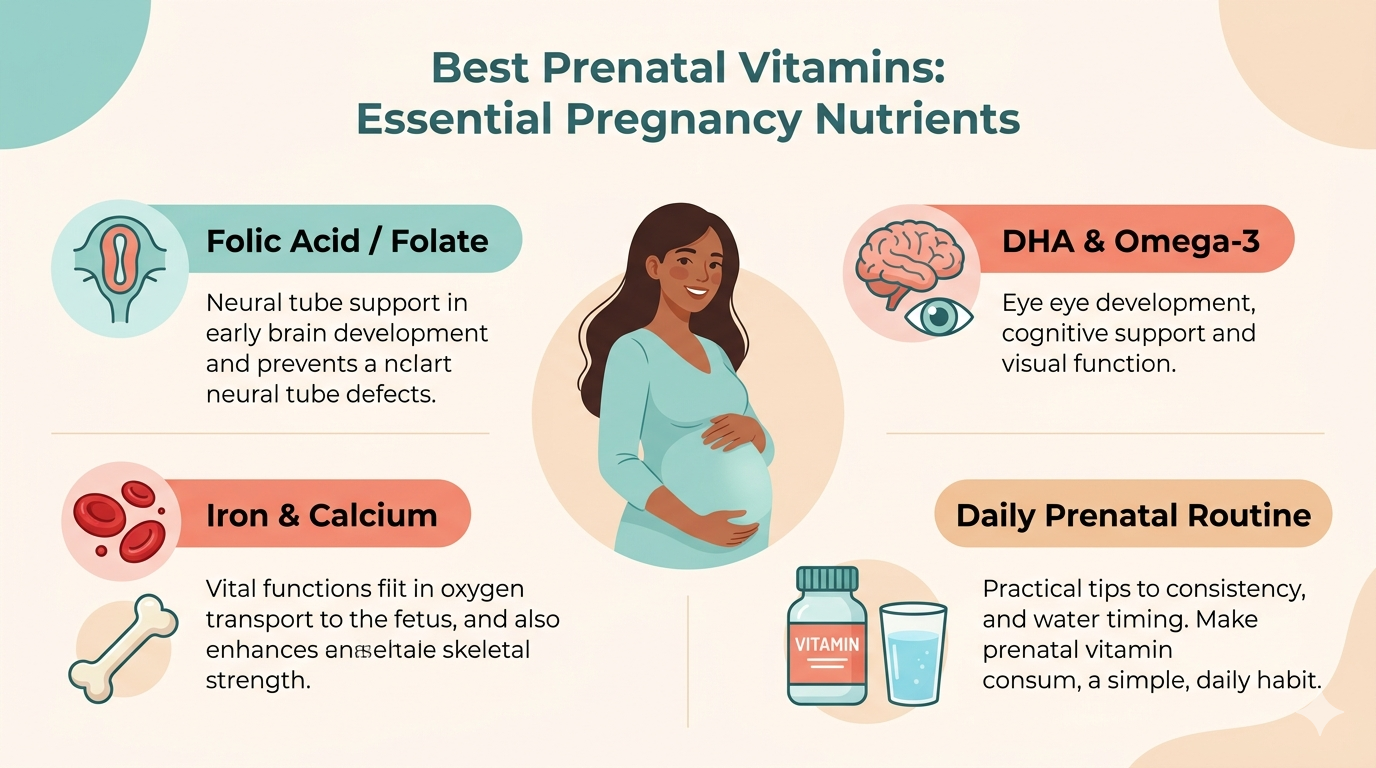
The Most Important Nutrients in a Prenatal Vitamin
Not all nutrients in a prenatal vitamin are equally important. Here is a breakdown of the most critical ones — what they do, how much you need, and what to look for on the label.
Folate or Folic Acid — The Non-Negotiable
Folic acid is the synthetic form of folate — a B vitamin that is essential for DNA synthesis and cell division. It is the single most critical nutrient in any prenatal vitamin because of its role in preventing neural tube defects.
The standard recommended dose is 400 to 800 micrograms (mcg) of folic acid daily for most women. Women with a personal or family history of neural tube defects, those taking certain anticonvulsant medications, or those with the MTHFR gene variant that impairs folic acid metabolism may be advised to take a higher dose of 4,000 mcg — discuss with your doctor if any of these apply to you.
What to look for on the label: folic acid (synthetic) or methylfolate (the active form). Methylfolate — also listed as 5-MTHF or L-methylfolate — is better absorbed and used by the body than synthetic folic acid particularly in women with the MTHFR gene variant. Many newer prenatal vitamins now use methylfolate instead of or in addition to folic acid — this is a genuinely meaningful upgrade.
Iron
Iron requirements nearly double during pregnancy — from 18mg per day to 27mg per day — because the body needs to produce significantly more blood to support the developing baby and placenta. Iron deficiency anemia is the most common nutritional deficiency in pregnancy and is associated with preterm birth, low birth weight, and maternal fatigue and cognitive impairment.
Most prenatal vitamins contain 27mg of iron — the full recommended daily amount for pregnancy. If you are already iron deficient your doctor may recommend additional supplementation beyond your prenatal vitamin.
What to look for: ferrous bisglycinate or ferrous fumarate are among the best-tolerated forms of iron — less likely to cause the constipation and nausea that are common side effects of ferrous sulfate (the cheapest and most widely used form). If your prenatal causes significant digestive discomfort this may be worth considering.
Calcium
Calcium is essential for the development of the baby’s bones, teeth, heart, nerves, and muscles. During pregnancy if your calcium intake is insufficient the body will draw calcium from your own bones to meet the baby’s needs — increasing your long-term risk of osteoporosis.
Most women need approximately 1,000mg of calcium per day during pregnancy. However most prenatal vitamins contain only 150 to 300mg of calcium — because calcium competes with iron for absorption and including a full dose of both in one pill would impair the absorption of both. The remaining calcium should come from dietary sources — dairy products, fortified plant milks, leafy greens, and almonds.
What to look for: calcium citrate is better absorbed than calcium carbonate particularly for women who take their prenatal on an empty stomach or who have low stomach acid.
Vitamin D
Vitamin D works in partnership with calcium to support bone development in the baby and immune function in both mother and baby. Vitamin D deficiency is extremely common — studies suggest that a significant proportion of pregnant women in the United States are deficient.
The standard recommendation during pregnancy is 600 IU of vitamin D per day though many specialists recommend 1,000 to 2,000 IU or more based on blood test results. If you live in a northern state, have darker skin, or spend little time outdoors you are at higher risk of deficiency and may benefit from a higher dose — ask your doctor to test your vitamin D levels.
What to look for: vitamin D3 (cholecalciferol) is more effective at raising blood vitamin D levels than vitamin D2 (ergocalciferol). Most quality prenatal vitamins now use D3.
DHA (Omega-3 Fatty Acid)
DHA — docosahexaenoic acid — is an omega-3 fatty acid that is a critical structural component of the developing baby’s brain and retina. The third trimester is a period of particularly rapid brain development during which DHA accumulation in fetal brain tissue is especially high.
The recommended intake of DHA during pregnancy is at least 200mg per day with many experts recommending 300mg or more. DHA is found primarily in fatty fish and seafood — which many pregnant women limit due to concerns about mercury — making supplementation particularly important.
What to look for: many prenatal vitamins do not contain DHA or contain only small amounts. Check the label — if DHA is absent or below 200mg consider a separate DHA supplement (typically sold as algal oil which is the plant-based source that fish get their DHA from) or a fish oil supplement certified low in mercury.
Iodine
Iodine is essential for thyroid hormone production — and thyroid hormones are critical for the baby’s brain development particularly in the first trimester. Iodine deficiency during pregnancy is associated with impaired cognitive development in the child.
The recommended iodine intake during pregnancy is 220mcg per day. Many prenatal vitamins contain 150mcg — below the full recommended amount — so dietary sources like dairy, eggs, seafood, and iodized salt are important to include.
What to look for: potassium iodide is the most commonly used form in prenatal vitamins. Check that your prenatal contains at least 150mcg — and aim to make up the remainder through diet. Note that kelp-derived iodine supplements provide inconsistent amounts and are generally not recommended as a reliable iodine source during pregnancy.
Choline
Choline is a relative newcomer to prenatal vitamin formulations but is gaining recognition as an essential nutrient for fetal brain development. It plays a key role in the development of the hippocampus — the brain region involved in memory and learning — and in the prevention of neural tube defects (working alongside folate in this role).
The recommended intake during pregnancy is 450mg per day. Most prenatal vitamins contain little or no choline — so dietary sources like eggs, meat, fish, and cruciferous vegetables are important. Some newer comprehensive prenatal vitamins include 100 to 300mg of choline — a meaningful contribution toward the daily requirement.
Vitamin B12
Vitamin B12 works alongside folate in DNA synthesis and is essential for neurological development and red blood cell production. B12 deficiency during pregnancy — more common in vegetarians and vegans who may have limited dietary intake — is associated with increased risk of neural tube defects and neurological problems in the baby.
What to look for: methylcobalamin is the active form of B12 and is better utilized than cyanocobalamin (the cheaper synthetic form) in most people. Vegetarians and vegans should confirm that their prenatal contains adequate B12 and may need additional supplementation.
Zinc
Zinc supports immune function, DNA synthesis, and cell division — all essential during the rapid growth of pregnancy. Zinc deficiency has been associated with preterm birth and low birth weight. Most prenatal vitamins contain 11 to 15mg of zinc which covers the recommended pregnancy intake of 11mg per day.
What to Avoid in a Prenatal Vitamin
Just as important as knowing what to look for is knowing what to be cautious about in prenatal vitamins.
Vitamin A as Retinol
Preformed vitamin A (retinol) in doses above 10,000 IU per day is associated with birth defects. Most prenatal vitamins contain vitamin A as beta-carotene — the plant-derived precursor that the body converts to vitamin A as needed — which does not carry the same toxicity risk. Check that your prenatal vitamin A is listed as beta-carotene rather than retinol or palmitate and confirm the total dose is within safe limits.
Herbal Ingredients
Some prenatal vitamins include herbal additions like ginger (for nausea) or raspberry leaf. While some herbs are considered safe in small amounts during pregnancy others are not recommended during the first trimester or throughout pregnancy. If your prenatal contains herbal ingredients check each one with your doctor or pharmacist.
Excessive Doses of Any Single Nutrient
More is not always better with prenatal vitamins. Excessive doses of some nutrients — particularly fat-soluble vitamins like A, D, E, and K which are stored in the body rather than excreted — can reach toxic levels. A prenatal vitamin that sticks to evidence-based recommended doses rather than megadosing every ingredient is preferable.
Forms of Prenatal Vitamins — Which Is Best?
Prenatal vitamins come in several forms and the best choice depends on your individual tolerance and preferences.
Tablets
Standard tablets are the most widely available and typically the most affordable form. The main limitation is that they can be large and difficult to swallow and may cause nausea — particularly problematic in the first trimester. Taking them with food or at night before bed can help.
Capsules
Capsules are typically easier to swallow than large tablets and are often better tolerated on a nauseous stomach. Many high-quality prenatal vitamins use capsule form.
Gummies
Prenatal gummies are popular because they are pleasant to take and generally well tolerated even during first trimester nausea. The significant downside is that most gummies contain little or no iron — because iron makes gummies taste unpleasant. If you are taking a prenatal gummy confirm whether iron is included and if not discuss iron supplementation separately with your doctor.
Liquid or Powder
Liquid and powder prenatal vitamins are an option for women who cannot tolerate pills at all. They are typically more expensive but can be genuinely useful for women with severe first trimester nausea or swallowing difficulties.
Prenatal Vitamins for Specific Situations
Different women have different nutritional starting points and some situations warrant extra attention when choosing a prenatal vitamin.
Vegetarians and Vegans
Plant-based diets can be low in several key prenatal nutrients including vitamin B12, vitamin D, iron, zinc, calcium, DHA, and iodine. Vegetarians and vegans should specifically look for a prenatal that includes B12 as methylcobalamin, DHA from algal oil (the vegan source), adequate iodine, and iron — and should discuss their specific dietary needs with their doctor or a registered dietitian.
Women With the MTHFR Gene Variant
The MTHFR gene variant impairs the body’s ability to convert synthetic folic acid into the active form the body can use (methylfolate). Women with this variant benefit from a prenatal vitamin that uses methylfolate rather than folic acid — or from taking a separate methylfolate supplement. If you have been told you carry the MTHFR variant discuss prenatal vitamin selection specifically with your doctor.
Women With Iron Deficiency Anemia
Women who enter pregnancy with iron deficiency anemia may need a higher iron dose than a standard prenatal provides. Your doctor will monitor your iron levels with blood tests and can prescribe additional iron supplementation if needed. Pairing iron-containing supplements with vitamin C (from food or supplement) significantly improves iron absorption.
Women With Hyperemesis Gravidarum
Severe pregnancy nausea and vomiting (hyperemesis gravidarum) can make taking a standard prenatal vitamin extremely difficult. In these cases your doctor may recommend taking a children’s chewable vitamin temporarily, switching to gummies, or focusing on the most critical supplement (folic acid alone) until nausea improves. Intravenous nutritional support may be needed in severe cases.
Does Brand Matter?
The honest answer is that brand matters less than ingredient quality and completeness. A thoroughly researched store-brand prenatal that contains all the key nutrients in their most bioavailable forms is superior to an expensive branded prenatal that uses cheaper forms of nutrients or is missing key ingredients like DHA or choline.
When comparing prenatal vitamins look at the actual nutrients and forms listed on the supplement facts label rather than the marketing claims on the front of the package. The label tells you what is actually in the product — the marketing tells you what the company wants you to believe about it.
Some prenatal vitamins that are consistently well-reviewed by healthcare providers for their formulation quality include Ritual Essential Prenatal, Natalist Prenatal Daily Packets, and Thorne Basic Prenatal — but many excellent options are available at a wide range of price points.
Frequently Asked Questions
Can I take a regular multivitamin instead of a prenatal?
A regular multivitamin is not an adequate substitute for a prenatal vitamin during pregnancy or when trying to conceive. Regular multivitamins typically contain lower doses of folate and iron than a prenatal provides and may contain vitamin A as retinol at levels that are not safe during pregnancy. A prenatal vitamin is specifically formulated for the nutritional demands of pregnancy and preconception — it is worth using the right product.
Can prenatal vitamins make you nauseous?
Yes — iron is the most common cause of prenatal-vitamin-related nausea and digestive discomfort. Taking your prenatal with food, switching to an evening dose before bed, choosing a prenatal that uses ferrous bisglycinate (gentler on the stomach than ferrous sulfate), or switching to a gummy prenatal (though check for iron content) are all practical strategies. If nausea is severe discuss alternatives with your doctor.
Should I keep taking prenatal vitamins after giving birth?
Yes — if you are breastfeeding your nutritional needs remain elevated and a prenatal or postnatal vitamin is recommended throughout the breastfeeding period. Even if you are not breastfeeding your body has significant nutrient stores to replenish after pregnancy and birth — continuing your prenatal for at least a few months postpartum is generally recommended.
How long before trying to conceive should I start a prenatal?
The minimum recommendation is one month before you start trying to conceive — to ensure folic acid levels are adequate before conception occurs. The ideal is three months before — giving time to optimize all nutrient levels and address any deficiencies. Use our Free Ovulation Calculator to identify when you are likely to conceive so you can plan your start date accordingly.
Do prenatal vitamins improve fertility?
Prenatal vitamins are not a fertility treatment and will not directly improve ovulation or sperm quality (though some nutrients like folate, zinc, and vitamin D support reproductive health in both partners). Their primary role is to ensure adequate nutritional status before and during pregnancy. If you have fertility concerns speak with your doctor about targeted evaluation and treatment.
Can I take prenatal vitamins if I am not pregnant?
Yes — prenatal vitamins are safe to take when not pregnant. Many women who are actively trying to conceive take them throughout the TTC period. Some women also take them as a general supplement when not TTC though a regular multivitamin may be more appropriate outside the preconception and pregnancy period since the iron content of prenatals is higher than what non-pregnant women typically need.
Can men take prenatal vitamins?
Yes, prenatal vitamins are safe for men to take, though they’re not specifically formulated for male needs — the extra iron and folic acid are dosed for pregnancy, not sperm health. If a male partner wants to support fertility specifically, a supplement formulated for men (often including zinc, selenium, and CoQ10) is generally a better-targeted choice than taking a partner’s leftover prenatal.
Do prenatal vitamins help with hair growth?
Not directly, for most people. The thicker, fuller hair many women notice during pregnancy is mainly driven by rising estrogen extending the hair’s growth phase — not by the prenatal vitamin itself. That said, if you have an actual biotin or iron deficiency, correcting it (including through a prenatal) can improve hair health, since deficiency is a well-documented cause of thinning and breakage. If your hair and diet are already adequate in these nutrients, taking a prenatal specifically for hair growth is unlikely to make a noticeable difference.
What’s the best time of day to take a prenatal vitamin?
There’s no universally “best” time — what matters most is consistency and tolerance. Many women find taking it with a meal reduces nausea, and some find an evening dose before bed easier to tolerate than a morning dose, especially during first-trimester nausea. If one time of day consistently causes discomfort, try shifting it before assuming you need to switch products entirely.
Is it too late to start taking prenatal vitamins if I’m already pregnant?
No — it’s never too late to benefit from starting a prenatal vitamin, even if you’re past the earliest weeks when the neural tube closes. The ideal window is before conception, but ongoing nutritional support remains valuable throughout pregnancy regardless of when you start.
The Bottom Line
Choosing a prenatal vitamin does not have to be overwhelming. The most important things to look for are adequate folic acid (ideally as methylfolate), iron, DHA, vitamin D3, iodine, and vitamin B12 — in their most bioavailable forms, at evidence-based doses, without excessive retinol. Gummies are fine if they contain iron. Store brands are fine if the formulation is complete. And starting before you conceive — ideally 3 months before — is always better than waiting for a positive test.
If you are still in the preconception phase use our Free Ovulation Calculator to track your fertile window and our Free Period Tracker to log your cycles as you prepare your body for pregnancy.
And when you get that positive test use our Free Due Date Calculator to find your estimated due date and our Free hCG Calculator to understand your early pregnancy hormone levels as your journey begins in earnest.
Once you’re pregnant, see our guide to figuring out exactly what week you’re in.
Medical Disclaimer: This article is for educational purposes only and does not constitute medical advice, diagnosis, or treatment. Always consult your doctor, OB-GYN, or registered dietitian before starting any supplement during pregnancy or preconception. Read our full Medical Disclaimer.

One Comment