
Period Cramps: Why They Happen and 10 Ways to Get Relief
INTRO
Period cramps are one of the most universally experienced symptoms of menstruation — and one of the most underestimated in terms of how much they can affect daily life. For some women they are a minor monthly inconvenience. For others they are genuinely debilitating — interfering with work, school, sleep, and quality of life in ways that deserve far more attention and care than they typically receive. The good news is that there are many effective approaches to managing period cramps — from simple at-home remedies that work within minutes to longer-term strategies that can reduce their severity over time. In this article we are going to cover exactly why period cramps happen, what makes them worse, and if you want period cramps relief, there are 10 evidence-based ways to get real relief this cycle and every cycle going forward.
What Causes Period Cramps?
Period cramps — medically known as dysmenorrhea — are caused by the uterus contracting to shed its lining during menstruation. These contractions are triggered by hormone-like compounds called prostaglandins which are produced by the uterine lining as it breaks down.
Prostaglandins cause the uterine muscles to contract and the blood vessels supplying the uterus to constrict. When the contractions are strong enough they temporarily cut off oxygen supply to the uterine muscle — and it is this oxygen deprivation that causes the cramping pain, in the same way that a leg cramp is caused by reduced blood flow to a muscle.
Women who produce higher levels of prostaglandins tend to experience more severe cramps. This is why NSAIDs like ibuprofen — which block prostaglandin production — are so effective at reducing period pain.
According to the American College of Obstetricians and Gynecologists, dysmenorrhea is one of the most common gynecological complaints among women of reproductive age, affecting more than half of menstruating women.
Primary vs Secondary Dysmenorrhea
There are two types of period cramps and understanding which type you have is important for choosing the right approach.
Primary Dysmenorrhea
Primary dysmenorrhea refers to period cramps that are not caused by an underlying medical condition — they are simply the result of normal prostaglandin-driven uterine contractions. This is the most common type and typically begins within 1 to 2 years of a girl’s first period. The pain usually starts just before or on the first day of bleeding and lasts 1 to 3 days. It tends to improve with age and often decreases significantly after pregnancy.
Secondary Dysmenorrhea
Secondary dysmenorrhea refers to period pain caused by an underlying reproductive health condition. Common causes include endometriosis, uterine fibroids, adenomyosis, ovarian cysts, and pelvic inflammatory disease. Secondary dysmenorrhea tends to be more severe than primary dysmenorrhea, often starts earlier in the cycle — sometimes days before bleeding begins — and may worsen over time rather than improving.
If your cramps are severe, getting worse, lasting longer than the first 2 to 3 days of your period, or accompanied by heavy bleeding or pain outside of your period, speak with your doctor to rule out secondary dysmenorrhea.
Track your pain levels alongside your cycle using our Free Period Tracker — noting when cramps start, how severe they are, and how long they last. This information is invaluable for your doctor.
What Makes Period Cramps Worse?
Several factors are known to increase the severity of period cramps. Being aware of these can help you reduce their impact.
High prostaglandin production — influenced by diet, inflammation levels, and individual hormonal makeup.
Stress — elevates cortisol which can amplify pain perception and increase inflammation.
Smoking — research consistently links cigarette smoking with more severe dysmenorrhea.
Sedentary lifestyle — regular movement helps reduce inflammation and improve blood flow to the pelvic area.
Diet high in inflammatory foods — processed foods, refined sugar, and unhealthy fats increase systemic inflammation and prostaglandin activity.
Underlying conditions like endometriosis, fibroids, or adenomyosis — these conditions amplify the normal cramping process significantly.
10 Ways to Get Period Cramp Relief
Relief Method 1 — Ibuprofen and NSAIDs
Over-the-counter NSAIDs — non-steroidal anti-inflammatory drugs — are the most effective first-line treatment for period cramps and are specifically recommended by gynecologists for dysmenorrhea. Common options include ibuprofen (Advil, Motrin) and naproxen sodium (Aleve).
NSAIDs work by blocking the enzymes that produce prostaglandins — addressing the root cause of the cramping rather than just masking the pain. This is why they work significantly better than acetaminophen (Tylenol) for period pain specifically.
The key to getting the most out of NSAIDs is timing. Start taking them 1 to 2 days before your period is expected to begin — or at the very first sign of bleeding or cramping — rather than waiting until the pain is severe. Taking them with food reduces the risk of stomach irritation. Follow package dosing instructions carefully and do not exceed the recommended dose.
Important: NSAIDs are not appropriate for everyone. Do not take them if you have kidney disease, stomach ulcers, or certain heart conditions. Check with your doctor if you are unsure.
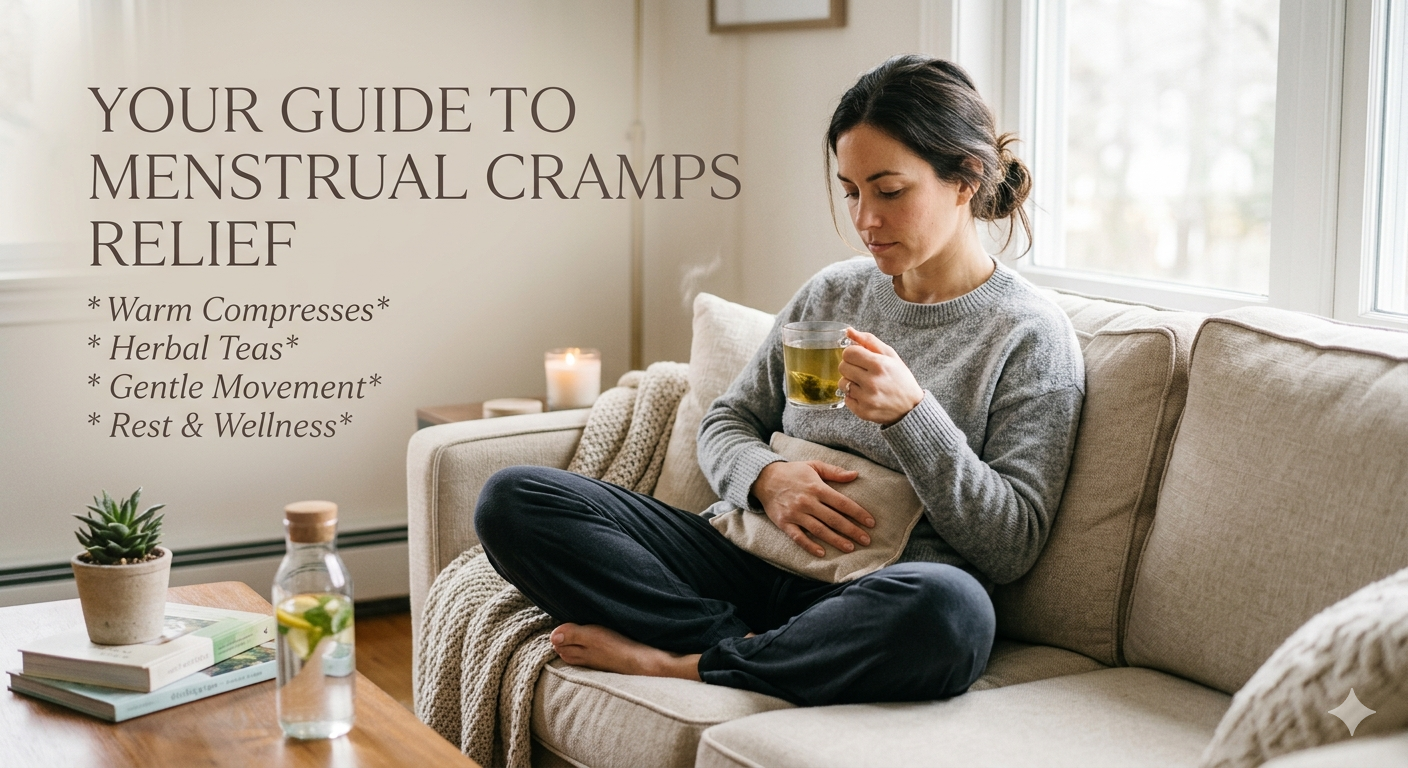
Relief Method 2 — Heat Therapy
Heat is one of the fastest and most effective non-pharmaceutical remedies for period cramps — and the research backs this up. Studies have shown that continuous low-level heat applied to the lower abdomen is as effective as ibuprofen for relieving period pain in some women.
Heat works by relaxing the uterine muscle, increasing blood flow to the area, and reducing the spasm-like contractions that cause cramping. It also has a direct analgesic effect on pain receptors in the skin and underlying tissue.
Options include an electric heating pad set to medium heat, a microwaveable heat pack, a hot water bottle wrapped in a cloth to prevent burns, stick-on heat patches like ThermaCare that can be worn discreetly under clothing, or a warm bath which provides whole-body muscle relaxation.
Apply heat to your lower abdomen or lower back — wherever you feel the most discomfort — for 20 minutes at a time. Repeat as needed throughout the day.
Relief Method 3 — Exercise
This is the one that surprises most women — but regular moderate exercise is one of the most evidence-supported long-term strategies for reducing period cramp severity. Exercise releases endorphins which are your body’s natural pain-relieving hormones. It also improves pelvic blood flow and reduces the systemic inflammation that amplifies cramping.
The key word is regular — the benefits come from consistent movement throughout the month, not just exercising during your period. Women who exercise regularly consistently report less severe period cramps than sedentary women.
During your period itself light to moderate movement like walking, gentle yoga, or swimming is often more comfortable than intense training. Many women find that even a 20 to 30 minute walk significantly reduces their cramp severity. Listen to your body — on your heaviest days rest is sometimes the right choice.
Relief Method 4 — Magnesium
Magnesium is a mineral that plays a key role in muscle function and relaxation. Because period cramps are essentially muscular spasms, magnesium supplementation makes physiological sense as a remedy — and the research supports it.
Multiple studies have found that women who take magnesium supplements experience significantly less severe period pain than those taking a placebo. Magnesium appears to work by relaxing the uterine muscle and reducing prostaglandin production.
Magnesium glycinate or magnesium citrate at 200 to 400mg daily is the most commonly recommended form and dose. Start taking it consistently throughout the month rather than only during your period for the best results. Foods rich in magnesium include dark chocolate, pumpkin seeds, almonds, spinach, and black beans.
Relief Method 5 — Omega-3 Fatty Acids
Omega-3 fatty acids — found in fatty fish like salmon and sardines, flaxseeds, chia seeds, walnuts, and fish oil supplements — have potent anti-inflammatory properties that can directly reduce prostaglandin production and therefore period pain.
Research has found that omega-3 supplementation significantly reduces the severity of dysmenorrhea in clinical trials. One study found that fish oil was more effective than ibuprofen in reducing period pain severity when taken consistently. While that finding needs more replication it speaks to how significant the anti-inflammatory benefit can be.
A fish oil supplement providing 1,000 to 2,000mg of combined EPA and DHA daily is a commonly recommended dose for anti-inflammatory benefits. Results are typically seen after 2 to 3 months of consistent supplementation.
Relief Method 6 — Dietary Changes
What you eat in the weeks leading up to your period can significantly influence how severe your cramps are. An anti-inflammatory diet reduces the baseline level of prostaglandin activity in your body — making the normal prostaglandin surge at menstruation less extreme.
In the week before your period focus on increasing vegetables particularly dark leafy greens, berries, fatty fish, whole grains, and legumes. At the same time reduce or eliminate alcohol, caffeine, salty and processed foods, and red meat — all of which can increase bloating, inflammation, and cramping severity.
Reducing caffeine specifically before and during your period can help — caffeine constricts blood vessels including those supplying the uterus, potentially worsening cramping. Switching to herbal tea like ginger or chamomile in the days before and during your period is a gentle, effective switch.
Relief Method 7 — Ginger
Ginger has been used for menstrual pain for centuries — and modern research has validated its effectiveness. Multiple clinical trials have found that ginger is as effective as ibuprofen for reducing the severity of primary dysmenorrhea when taken consistently from the onset of bleeding.
Ginger works by inhibiting prostaglandin and leukotriene synthesis — a similar mechanism to NSAIDs but through a natural anti-inflammatory pathway. It also has anti-nausea effects which can be helpful if your period cramps are accompanied by nausea.
You can consume ginger as fresh ginger root steeped in hot water, ginger tea bags, ginger capsules at 250mg taken four times daily during menstruation, or added to smoothies and meals. Start taking it at the first sign of your period for the best effect.
Relief Method 8 — TENS Therapy
TENS — transcutaneous electrical nerve stimulation — is a drug-free pain relief method that uses small electrical pulses to interfere with pain signals before they reach the brain. Small portable TENS devices are available over the counter and can be worn discreetly under clothing during the day.
Research supports the use of high-frequency TENS for period pain relief. It is particularly useful for women who cannot take NSAIDs or who want a non-pharmaceutical option that they can use continuously throughout the day. Devices like Livia are specifically designed for period pain and have been clinically tested for this purpose.
Relief Method 9 — Yoga and Stretching
Specific yoga poses and stretching exercises can provide meaningful relief from period cramps by relaxing the pelvic floor muscles, improving blood circulation to the uterus, and activating the parasympathetic nervous system to reduce tension and pain perception.
Particularly effective poses include child’s pose, which gently stretches the lower back and pelvic area. Reclined bound angle pose opens the hips and relaxes the pelvic floor. Cat-cow stretches mobilize the spine and release tension from the lower back. Supine twist gently compresses and then releases the lower abdominal organs improving circulation. Legs up the wall pose reduces pelvic congestion and promotes relaxation.
A gentle 15 to 20 minute yoga practice during the first 1 to 2 days of your period can significantly reduce cramping and improve your overall comfort. There are many free period-specific yoga videos available on YouTube if you are new to the practice.
Relief Method 10 — See a Doctor If Needed
It bears repeating: severe period cramps that significantly interfere with your daily life are not something you simply have to endure. If over-the-counter remedies are not providing adequate relief, if your cramps are worsening over time, or if they are accompanied by heavy bleeding, pain outside of your period, or other concerning symptoms, see your OB-GYN.
Prescription-strength NSAIDs, hormonal treatments, and investigation for underlying conditions like endometriosis or fibroids are all options that can dramatically improve quality of life for women with severe dysmenorrhea. You deserve to feel well during your period — not just survive it.
Tracking Your Period Pain Over Time
One of the most useful things you can do for your period health is to track your cramp severity alongside your cycle data over several months. This gives you a clear picture of whether your pain is consistent, improving, or worsening — and provides your doctor with the information they need to assess whether further investigation is warranted.
Use our Free Period Tracker to log your period start date, flow level, and pain severity each cycle. Note which relief methods you tried and how effective they were. After 3 months you will have a clear, data-driven picture of your period pain patterns.
Frequently Asked Questions
Why are my period cramps getting worse as I get older?
While primary dysmenorrhea often improves with age, worsening cramps as you get older can be a sign of secondary dysmenorrhea caused by conditions like endometriosis, fibroids, or adenomyosis that develop or progress over time. If your cramps are significantly worse than they used to be this is worth discussing with your doctor rather than accepting as normal.
Does birth control help with period cramps?
Yes — hormonal contraceptives including the combined oral contraceptive pill, hormonal IUD, patch, and ring can significantly reduce period cramps by thinning the uterine lining (which reduces prostaglandin production) and in some cases suppressing ovulation entirely. This is one of the most effective medical treatments for severe primary dysmenorrhea.
Can period cramps affect fertility?
Primary dysmenorrhea — cramps caused by normal prostaglandin activity with no underlying condition — does not affect fertility. However severe cramps caused by endometriosis, fibroids, or adenomyosis can affect fertility and warrant medical evaluation, particularly if you are trying to conceive.
How do I know if my cramps are normal?
Cramping that starts 1 to 2 days before or at the onset of bleeding, lasts 2 to 3 days, is manageable with over-the-counter pain relief, and does not significantly interfere with your daily functioning is generally considered within the normal range. Cramps that are severe, last beyond the first 3 days, do not respond to NSAIDs, or are accompanied by heavy bleeding warrant medical evaluation.
Cramps but No Period? Here’s What Could Be Going On
Feeling period-like cramps without any actual bleeding is extremely common — and while it’s usually not a cause for alarm, understanding the most likely explanation for your specific situation can bring real peace of mind.
Ovulation (Mittelschmerz)
If you’re roughly mid-cycle, one-sided cramping is often simply ovulation pain — a normal, harmless sensation some women feel when an egg is released. See our complete guide to ovulation pain for what’s normal and when it’s worth checking with a doctor.
PMS or Pre-Period Cramping
It’s very common for mild cramping to begin a few days before your period actually starts, as prostaglandin levels begin rising in anticipation of menstruation. If your period arrives within the next several days, this is simply your body’s normal lead-up.
Early Pregnancy
Mild cramping can be an early pregnancy sign, sometimes alongside implantation bleeding. If there’s any chance of pregnancy and your period is late, see our guides to implantation bleeding and early pregnancy symptoms, and consider taking a pregnancy test.
Ovarian Cysts
Small ovarian cysts are common and often cause no symptoms at all, but larger ones can cause dull, persistent cramping on one side. Most resolve on their own within a cycle or two. A cyst that ruptures can cause sudden, sharp pain and warrants prompt medical attention.
Digestive Causes
Constipation, gas, or general GI discomfort can feel remarkably similar to period cramps, given how close the intestines sit to the uterus. If your cramping shifts with bowel movements or is accompanied by bloating and changes in digestion, a digestive cause is worth considering before assuming it’s gynecological.
Endometriosis or Adenomyosis
Ongoing pelvic cramping that isn’t tied to your cycle timing can be an early sign of endometriosis or adenomyosis, especially if it’s severe, persistent, or accompanied by pain during sex or bowel movements. See our full guide to endometriosis symptoms if this sounds familiar.
When Cramping Without a Period Needs Prompt Medical Attention
Most causes of cramping without a period are benign, but seek care promptly if your cramping is severe or one-sided and accompanied by a positive pregnancy test (which can indicate an ectopic pregnancy — a medical emergency), fever, dizziness, or heavy or unusual bleeding, or if the pain is getting progressively worse rather than staying steady or easing.
The Bottom Line
Period cramps are extremely common but they do not have to rule your life every month. Whether you find the most relief from heat therapy and ibuprofen, from consistent exercise and an anti-inflammatory diet, or from magnesium and omega-3 supplementation — the key is to find the combination that works for your body and apply it consistently.
Start tracking your cramp severity alongside your cycle with our Free Period Tracker so you can see clearly what is working, identify patterns in your pain, and have meaningful data to share with your doctor if you need further support.
And remember — severe period cramps that significantly impact your quality of life are not normal and not something you simply have to accept. Effective treatment exists and you deserve access to it.
Medical Disclaimer: This article is for educational purposes only and does not constitute medical advice, diagnosis, or treatment. Always consult your doctor or OB-GYN before making changes to your pain management routine or if you are concerned about the severity of your period pain. Read our full Medical Disclaimer.
One Comment